

Lessons from Hospice
I’ve spent the last year volunteering in hospice with someone I’ll refer to as E. I’ve sat at her bedside for a few hours a week, watching her come to terms with her life, being humbled by the idea that maybe we’re all dying already – and I think we need to be more aware of that.
The volunteering is simple – I spend time with E as a companion. I help with little things she can no longer do on her own, like opening food or drinks, or taking her outside so she can enjoy even an hour of fresh air, and swapping stories from time to time.
Unfortunately, those stories are few and far between for someone who carries regrets born out of early life addictions to alcohol and smoking. Addiction is terrible and can affect anyone in any class of society. A few decades of battling it can drastically affect someone’s life. I feel sad that this person cannot go back and choose a different path, but I’m grateful for the lessons she shares with me.
Now E is in hospice because of a lung disease that requires her to be on oxygen full-time. Her son, the only family member who visits, reminds me of how grateful he is for my visits, how he wishes he could afford better care, and how hard it is to entrust his loved one to others. She receives government assistance because he cannot provide support at home, and the family does not have the money to afford specialized care.
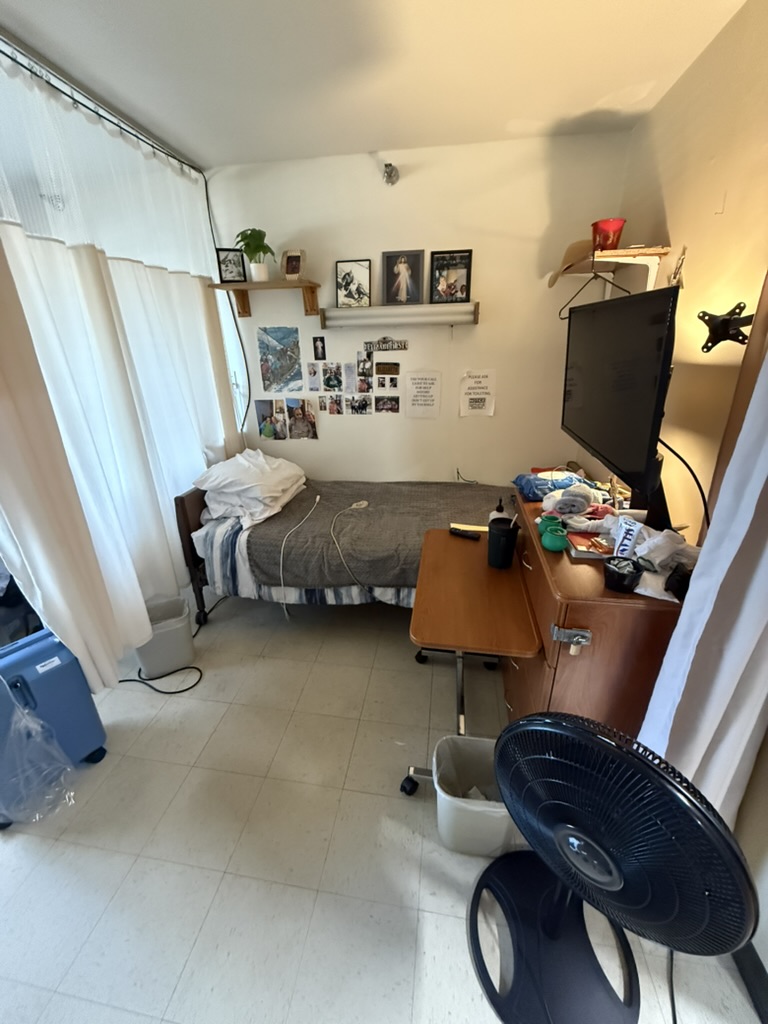
The facility itself is bleak, and that is putting it lightly. The staff is under-resourced, just trying to keep everyone’s heads above water most days. There is no extra space for the human connection we all need in our final days.
That’s why volunteer opportunities like this exist.
I witness, each time I visit, how the outcomes of E’s life choices affect nearly every aspect of her experience – not only materially, but also in relationships, health, and regrets. I’ve seen how the body responds when we wait years to break an addiction – how severing relationships shows up when we want and need people the most – how a lack of money in retirement means you’ll end up with the care you can afford, which may not be the care you need.
I am witnessing how all of these choices have left her isolated, alone, and full of unresolved feelings. While E lived a vastly different life from mine, she opened up to me and offered me valuable lessons only the dying can teach.
The Physical Ally
In my earliest days, I asked about her diagnosis. She shared a bit about how it presents now and the choices she made that led to this – nearly a decade of using alcohol and smoking to avoid her pain. Everything is difficult, if not impossible, including moving, eating, drinking, and breathing.
Unfortunately, her health is all but gone, and she can’t grind her way out of failing organs. No amount of rehab or working out will return her to her former self.
Each time I visit E, she reminds me how important a healthy diet and movement are, of the damage addictive substances do to the body, and that if I wait to make the changes I need to, eventually it’ll be too late.
It’s tough to see someone who can’t get to the bathroom when they need to. It’s hard to watch someone stop eating because utensils hurt their arthritis. I feel sad every time E doesn’t ask for my help – the shame of admitting she can’t do things on her own keeps her from asking.
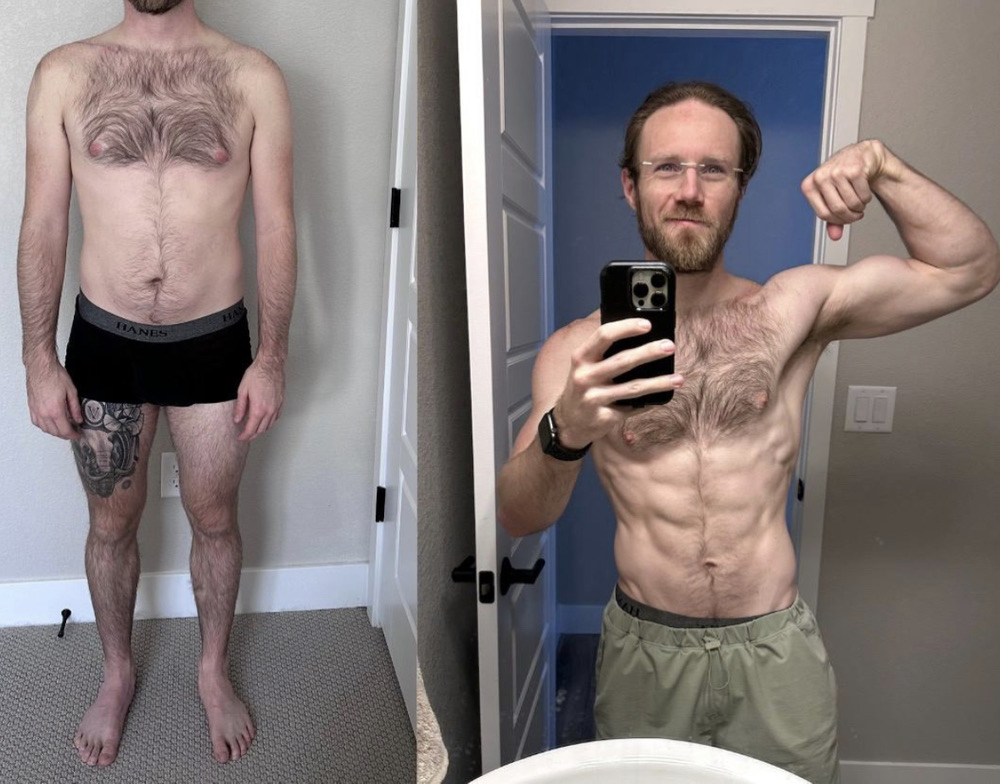
Now that I’m volunteering, I notice that a trained and healthy body is not just an ally in life, it is also an ally in death. Taking care of your body now is an investment, not just in aesthetics or mental health, but in mobility and strength, which are ways we as men can maintain our dignity at the end of our lives.
The Strength of Roots
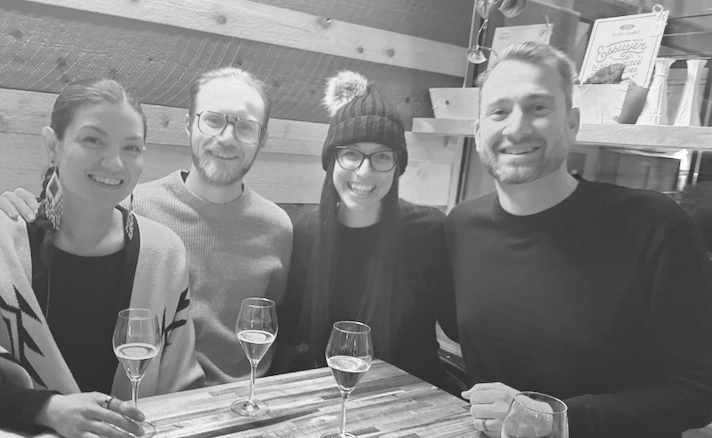
There is no reality in which we don’t need others, even when our bodies are healthy, as we get older. I noticed early on how lonely E is, but not because she is physically alone – she has a roommate and neighbors. It is because she lives with strangers. Only her son and I visit, or if she is lucky, the local chaplain stops by to offer communion.
Sadly, she wasn’t able to cultivate deep enough roots in her family and community to support her in her later years. She shared that she had made the mistake of ripping those roots up when things became difficult.
E is fortunate to have a volunteer. Not me in particular – in general. The volunteer program is the only avenue for connection she has outside of her son, roommate, and the nurses. E is graciously teaching me that it’s much harder to build or repair a support system in our later years. She guides me toward my community through intention and consistency while I am young. She encourages me to see the different avenues in my life to get what I want.
I still catch myself trying to defer on my relationships when something —usually work — demands my attention—still wanting to pull away from others when challenges come up—still working through years of patterning that taught me that doing life alone was the only way. My men’s group consistently reminds me that I still need to make an effort to step away from work
and be present with the people who matter to me. They remind me to stay in relationship – after all, what’s the point in building relationships if we aren’t committed to staying in them.
Comfort versus Survival
In many ways, personal relationships are what E misses most, but she also wishes she lived somewhere else. The tragedy is that the place where she lives is all her family can afford.
Sure, money won’t buy more time, but it can buy the choice in how you spend your final days. After all, there is a massive difference between dying in a state-funded program and dying with the resources to afford the comfort and privacy of your own home.
When I first met E’s son, he was fresh off two consecutive 8-hour shifts: one as a night guard and the other as a driver. He’s over 50 years old and was awake for more than 24 hours straight. He was exhausted.
He thanked me for being there and cried over how he wished he could afford in-home care for his mother. He works so hard just to provide for his wife and kids, but there isn’t enough left over.
E doesn’t have enough either. After her husband passed away, there was very little remaining for them. She depended on her son, who was already working as hard as he could. Now, it would be incredibly difficult to generate income while fighting a terminal diagnosis from a wheelchair.
When I visit her, there are all sorts of reminders that my actions today will affect my life tomorrow and in many years to come. The point is not to wait until then to make the financial decisions you know you need to make now.
I’m not advocating for never treating yourself, or penny pinching because you’ll die someday. Live your life, spend your money – just do so with integrity.
Answering The Call
When I witnessed E nearly die and come back from the brink, I witnessed raw fear. The visits that followed her near-death experience were some of the most heartbreaking I’ve had with her. Fear of death, the total unknown, was present, but the fear that she would be leaving life incomplete hurt the most.
She told me only a bit about the relationships with her children she wishes could change, the days with her family she will never get back, and the experiences she deferred along the way.
I’ll never forget the first time I asked about E’s daughter and found out they hadn’t spoken in years.
E is lucky enough to have a phone; she even calls me sometimes. I asked if she wanted to call her daughter, and she fell silent. The conversation never fully recovered from there. All I know is E regrets not fixing the relationship while there was a chance.
E is teaching me to stop assuming there will always be a tomorrow – that there will always be another chance.
I’m learning that men need to develop the energy to go first – ask someone out, start the healing in relationships, and initiate contact with life itself – even when it’s hard.
Put simply, learn to take risks.
If there is something you want to do, or more importantly, life is calling you to do, do it while you still can. Let life flow through you. Answer the call, pursue what you want, and lead at all costs, even if it means failure.
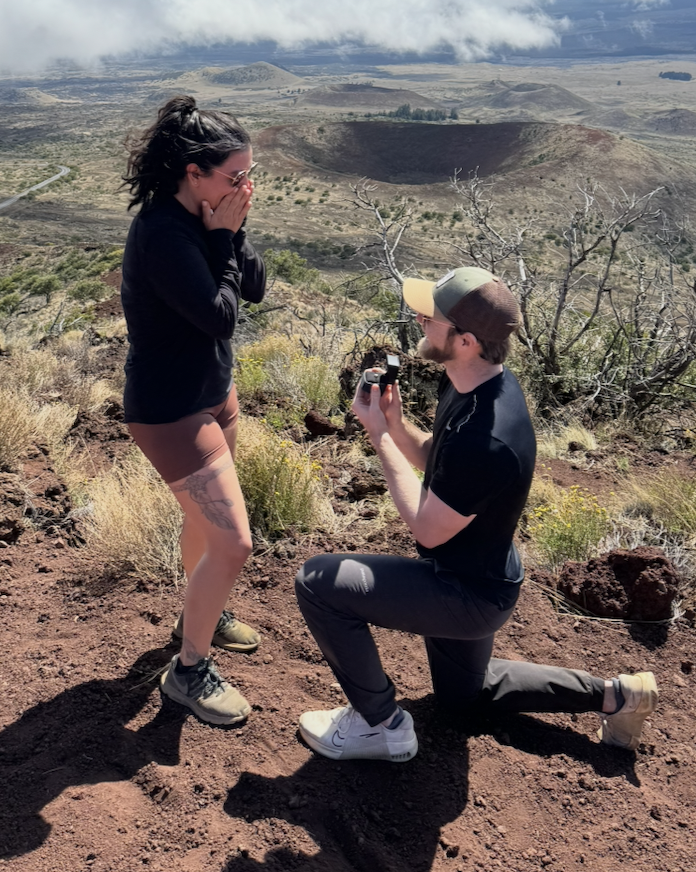
E’s life lessons have me reflecting more on my own mortality these days.
I’ve been talking about death more with my men’s group as I’ve been in this process of volunteering, finally unable to ignore it. I’ve shared personal stories from the first time I visited E to the time I thought I watched her die, to some of the more trivial moments and laughs we’ve shared while discussing her childhood years – and more importantly, what comes up when we consider our own death.
Some men feel a sense of freedom that comes with a scenario like “you have one year to live”. Social conditioning falls away for some, feeling like they don’t have to play by the “rules” anymore. Other men feel angry because they haven’t made each previous year truly count.
The point in discussing it is not to figure out death or intellectually understand it –
The point is to acknowledge that you will die and let that motivate you.
Many of us, myself included, unconsciously move through the world believing we have the right to die the way we want, which mostly means refusing to acknowledge that it will happen. We may acknowledge it by saying it, but with a barrier between that fact and our hearts. We might avoid talking about it directly to bypass the tough reality that each day could be our last – and that scares the shit out of us.
My personal favorite is when men say it’s not worth thinking about because it’s not in our control. Let’s talk about that then.
How does it feel to have absolutely no say in when you will die?
How do you cope with the fact that you do not feel you are in control of your own death?
What if it happened next week, or even today?
What do you need to do today, knowing it could be your last?
A word to my Companion
Because you opened your life to me, I call my grandparents after each time I see you. I fill my calendar with connection and adventure because I’m no longer willing to wait for joy to find me, and am more willing than ever to fail at anything I do.
Without your bravery, I would be repeating some old habits. Without you, I’d pretend like everything was okay when sometimes it isn’t, and I’d act like I had unlimited time to make the changes I wanted now. I’d be denying the facts of life, playing the game how everyone else is, yet wondering why I’m not getting what I want.
It takes tremendous courage to let a stranger into your life when you’re struggling. Your vulnerability means the world to me, and I promise to share these lessons in your honor.
Thank you.
